TSC Teachers: What Your SHA Deduction Covers, and Misses
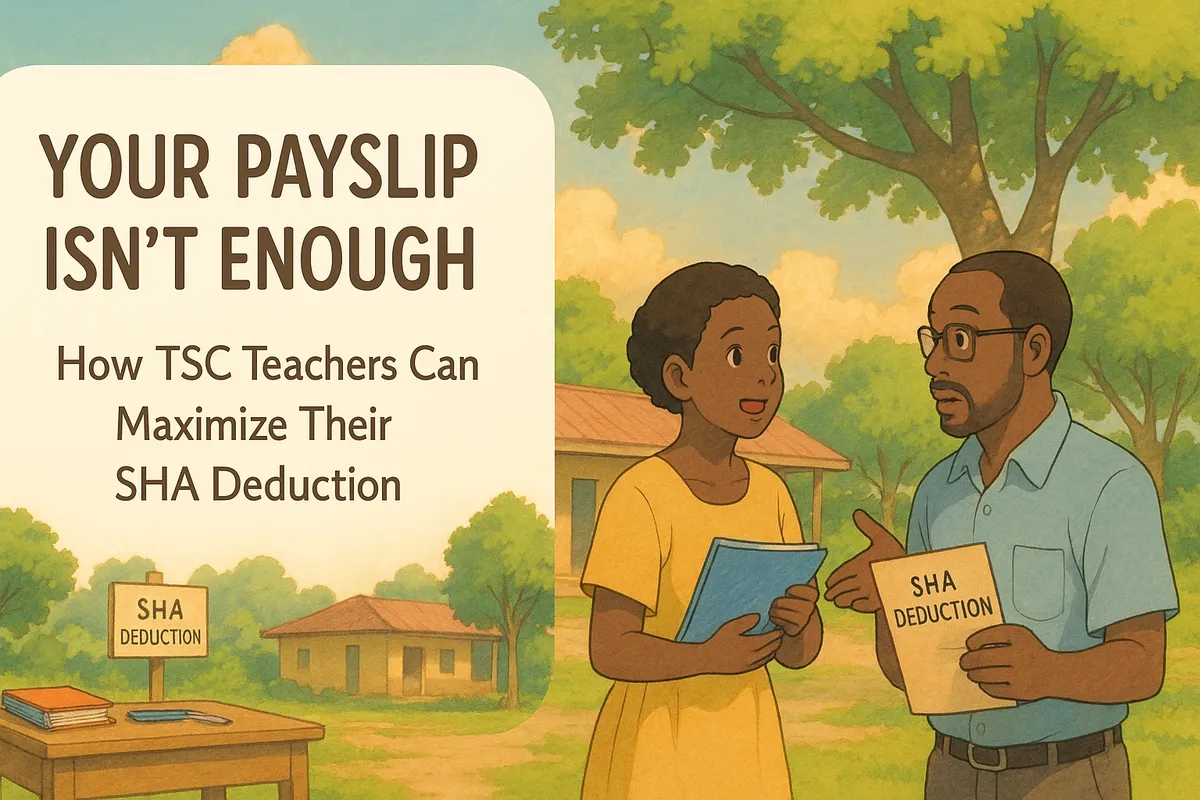
Every month, Kenyan teachers watch their payslips get sliced like onions on a chopping board: PAYE, NSSF, loans, SACCO, HELB, and now the big one — SHA (Social Health Authority) at 2.75% of your gross salary.
The deduction is automatic. You don’t approve it. You don’t request it. It just appears.
But here’s the real question: Are you actually getting full value from what you're paying? And better yet — how can you turn that mandatory deduction into a stronger, more reliable health safety net for your family?
This guide breaks it all down simply, clearly, and in terms that make sense for Kenyan teachers.
Table of Contents
- 🟦 1. First Things First: What Your SHA Deduction Actually Covers
- 🟦 2. The Gap TSC Teachers Don't Realize They Have
- 🟦 3. How to Turn Your SHA Deduction Into a Strong Health Strategy
- 🟦 4. What This Combined Approach Looks Like (Example)
- 🟦 5. The Teacher-Specific Risks You Must Protect Against
- 🟦 6. How to Choose the Best Top-Up Plan As a Teacher
- 🟦 Final Word: Don’t Let Your Payslip Fool You
🟦 1. First Things First: What Your SHA Deduction Actually Covers
As a salaried TSC teacher, your 2.75% SHA deduction gives you access to:
✔️ Primary care at Level 2–4 hospitals
Think dispensaries, health centres, and selected public/faith-based facilities.
✔️ Inpatient care in public hospitals
Admission, surgery, maternity (public), specialist visits — all handled mainly within government facilities.
✔️ Emergency stabilization
You’ll get initial care even in private hospitals — but full treatment may require a top-up or cash.
✔️ Dependents
Your spouse and children can be added under your SHA household.
BUT… Let’s be honest: teachers rarely want to line up at 5am at a public hospital, especially with kids. And most prefer access to private facilities near their school or home.
That’s where SHA hits its limit.
🟦 2. The Gap TSC Teachers Don't Realize They Have
Teachers often assume:
“I have SHA. Si I’m automatically sorted?”
Not exactly.
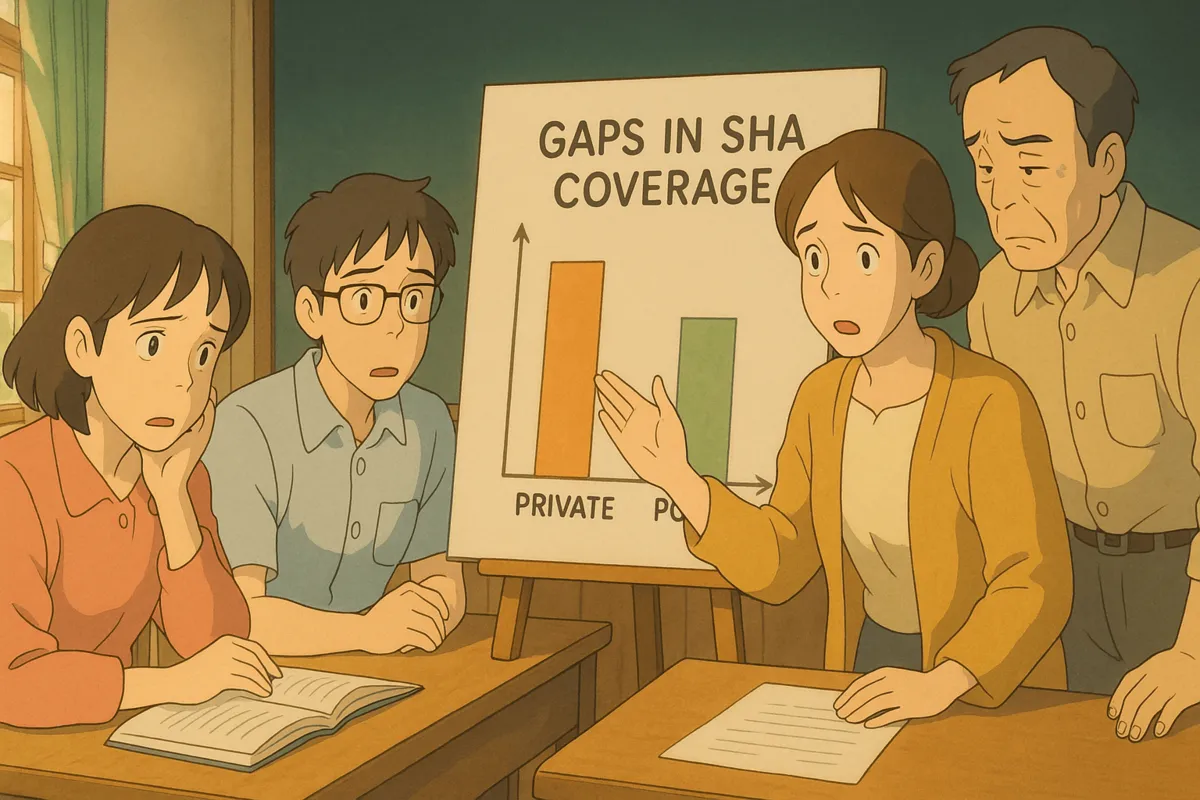
Here are the real-world gaps teachers face that SHA alone can’t fix:
❌ Private hospital access
Aga Khan, Nairobi Women’s, Avenue, MP Shah, Gertrude’s — SHA will not fully cover these.
❌ Specialist visits in private facilities
Paediatricians, cardiologists, ENT doctors, dermatologists, etc.
❌ Maternity in private hospitals
Most teachers prefer private maternity care — but SHA only covers it fully in public hospitals.
❌ Fast service
Public hospitals are valuable, but queues can stretch longer than your Form 1 admission line.
❌ Cancer, dialysis & chronic illness expenses
The cost jumps from manageable → overwhelming very quickly.
Teachers need speed, choice, and privacy — especially during emergencies.
🟦 3. How to Turn Your SHA Deduction Into a Strong Health Strategy
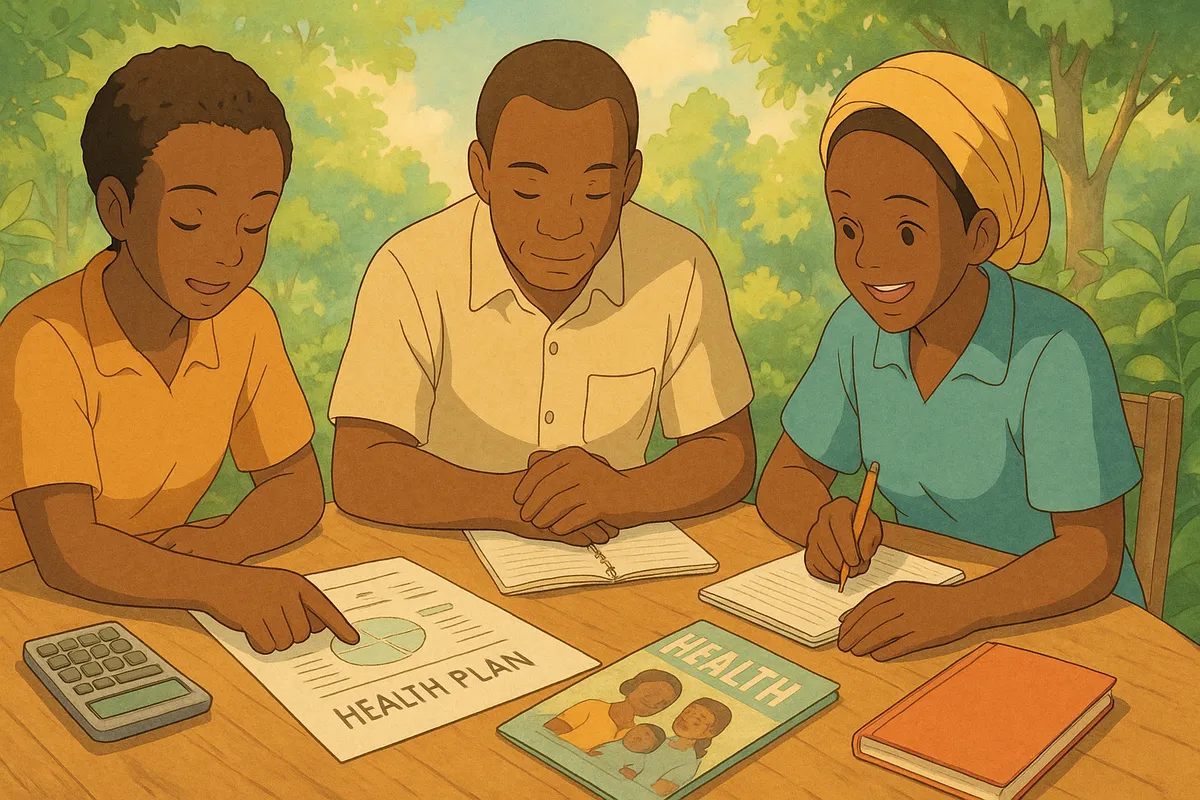
You’re already paying SHA. You can't opt out. So the smart move is to layer it strategically with a private cover that fills the gaps.
🟩 Step 1: Use SHA for the basics
- Public hospitals
- Minor illnesses
- Early stabilisation
- Routine tests and primary care
This frees your private cover for the big, expensive stuff.
🟩 Step 2: Add a private inpatient cover (2M–5M limit)
This is the most important gap for teachers to fill.
Why?
- One emergency surgery in a private hospital: 200K–600K
- One ICU stay: 100K+ per day
- One maternity complication: 150K–300K
A 2M or 3M inpatient cover saves you from WhatsApp harambees and stress calling colleagues.
🟩 Step 3: Add outpatient if your budget allows
Teachers deal with:
- Stress-related issues
- Allergies
- Throat infections
- Eye strain
- Back/leg pain from long hours standing
Even a small outpatient limit (20K–40K) helps a lot.
Outpatient is optional when on a tight budget — inpatient is not.
🟦 4. What This Combined Approach Looks Like (Example)
Let’s take Mrs. Wanjiru, a TSC teacher earning KES 65,000.
SHA deduction (mandatory):
2.75% of 65,000 = KES 1,787.50
Add private inpatient (3M limit):
~KES 18,000–25,000 per year ≈ KES 1,500–2,000 per month
Add outpatient (optional):
~KES 10,000–15,000 per year ≈ KES 900–1,300 per month
📌 Total Monthly Health Security Budget (Realistic):
KES 1,787 (SHA) + KES 2,000 (Inpatient) = KES 3,787/month
Add outpatient only if possible.
And this combo protects her entire family.
🟦 5. The Teacher-Specific Risks You Must Protect Against
Teachers are unique in their exposure:
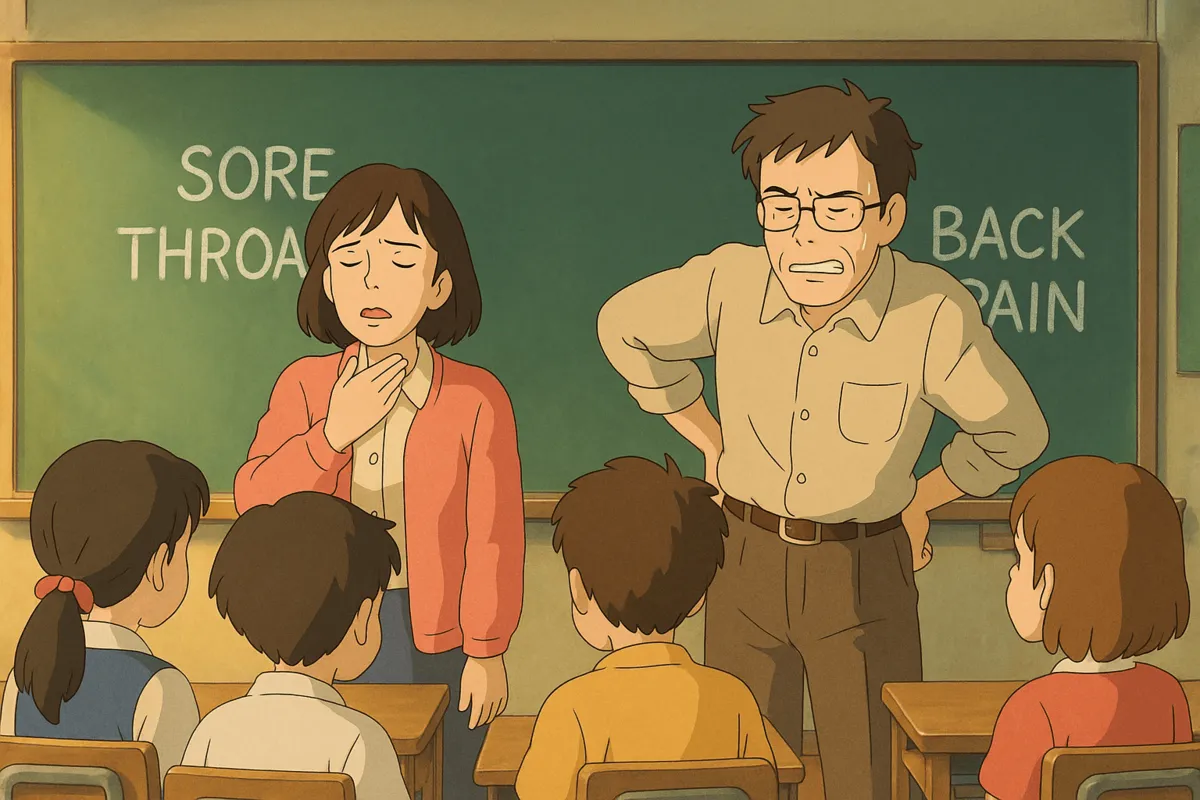
🔸 Sore throats & respiratory issues
Daily speaking in dusty classrooms = predictable health strain.
🔸 Stress & hypertension
Administration, marking, workload, teenage behaviour — enough said.
🔸 Back & joint problems
Long standing hours + poor office ergonomics.
🔸 High exposure to child-borne infections
Flu, stomach bugs, viral outbreaks — schools spread everything.
A proper cover is not a luxury — it's a survival tool.
🟦 6. How to Choose the Best Top-Up Plan As a Teacher
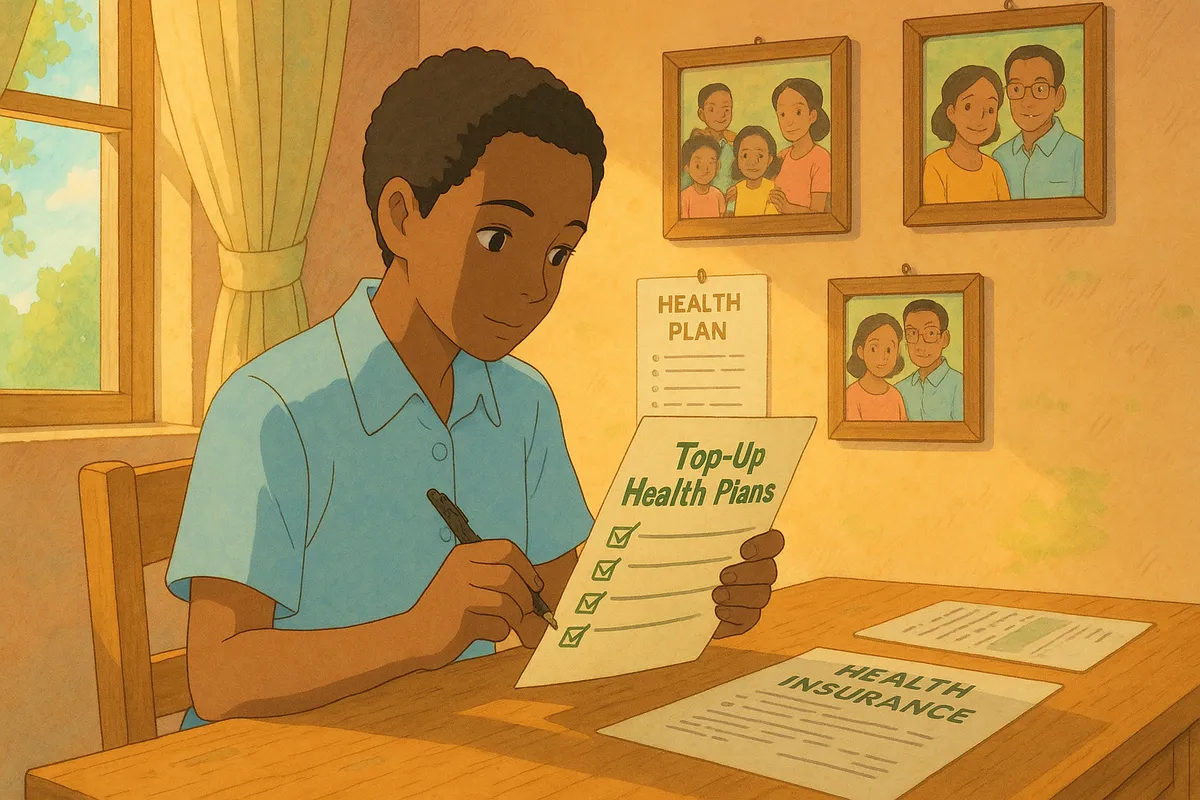
Look for:
✔️ Strong inpatient limit (2M–5M)
This is your emergency lifeline.
✔️ Hospitals near your school & home
Especially private/mission hospitals.
✔️ Fast claims process
Teachers don’t have time for drama at the hospital desk.
✔️ Low or no co-pay
KES 500 per visit adds up quickly.
✔️ Maternity benefits (if relevant)
Teachers with young families should plan early — maternity waits are 10–12 months.
🟦 Final Word: Don’t Let Your Payslip Fool You
The SHA deduction is NOT a full medical cover. It’s not a backup plan. It’s not private-hospital-ready.
It is the foundation. You must build the house.
Teachers take care of Kenya’s children every day — but your health deserves the same intentional care.
If you use SHA strategically and pair it with the right private plan, you’ll have a complete, dependable, stress-free health safety net that protects both you and your family.
Get SHA changes by email
SHA rates, rules and benefits keep changing. Once a month, Keryl sends what changed and what it means for your cover.
One email a month from Keryl. Free, and you can unsubscribe in one click. See our privacy policy.
Ready to Get Started?
Get personalized advice and quotes tailored to your needs. No pressure, just honest guidance.
👉 Or start a chat with our assistant now.