Insurance Claim Denied in Kenya? How to Appeal
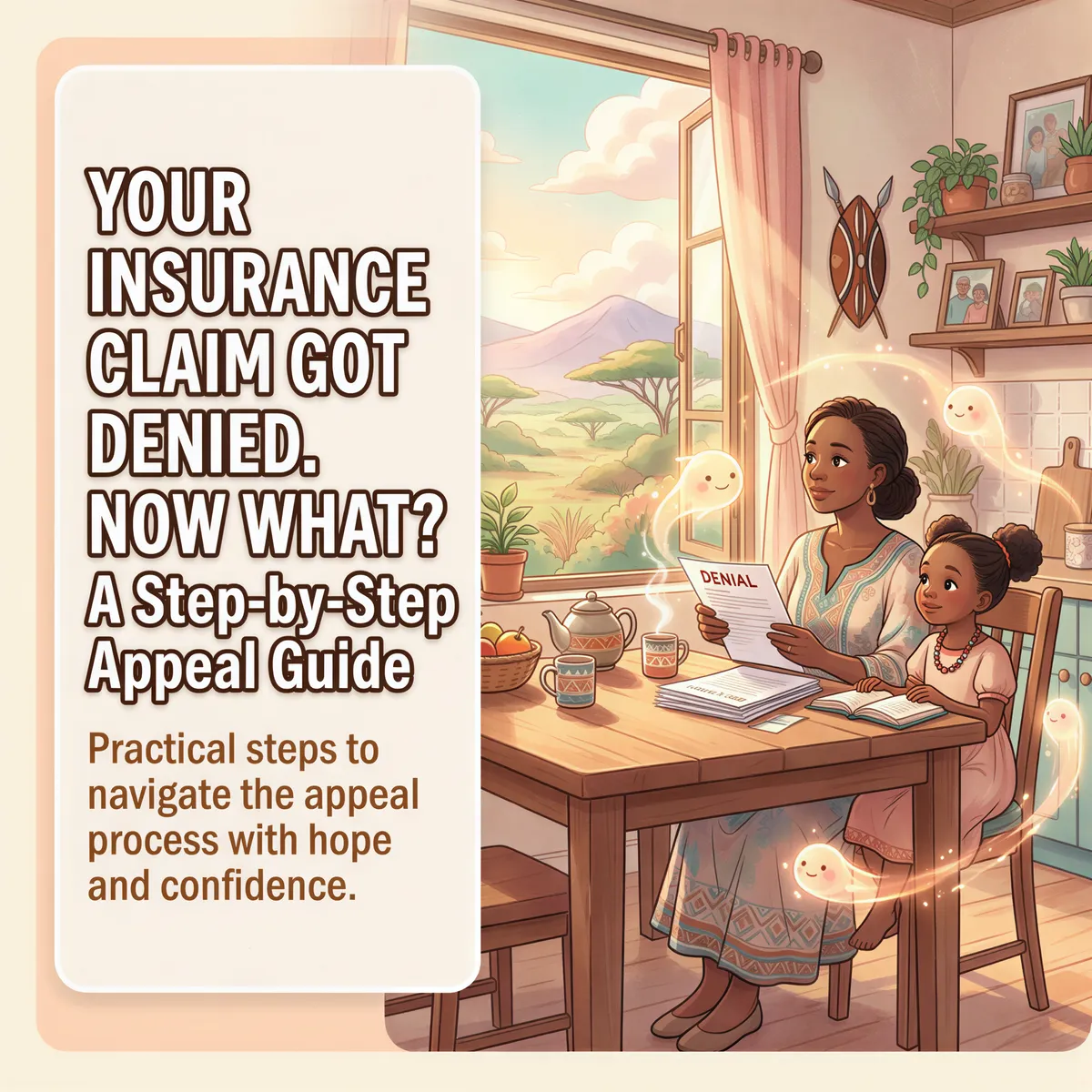
You filed your claim. Submitted the documents. Waited.
Then the email arrived.
"We regret to inform you that your claim has been declined."
Your stomach drops. You feel angry. Confused. Maybe even helpless.
But here's what most Kenyans don't know:
A denied claim is not the end. It's the beginning of a process — and you have rights.
Insurance companies deny claims every day. Some denials are legitimate. Many are not. And even the legitimate ones can sometimes be overturned with the right approach.
This guide walks you through exactly what to do.
Table of Contents
- Why Insurance Claims Get Denied in Kenya
- Step 1: Read the Denial Letter Carefully
- Step 2: Gather Your Evidence
- Step 3: Write a Formal Appeal Letter
- Step 4: Submit and Follow Up
- Step 5: Escalate to the IRA (If Needed)
- Step 6: Consider Legal Action (Last Resort)
- How to Avoid Claim Denials in the First Place
- Final Word: A Denial Is Not a Dead End
Why Insurance Claims Get Denied in Kenya
Before you fight a denial, you need to understand why it happened.
The most common reasons:
1. Late notification
Most policies require you to notify the insurer within a specific window — often 48 hours to 30 days depending on the type of claim. Miss this, and they have grounds to deny.
2. Incomplete documentation
Missing receipts, unsigned forms, no police abstract (for theft or accident claims), incomplete medical records. Insurers are strict about paperwork.
3. Pre-existing condition exclusion
If your medical claim relates to a condition you had before the policy started — and you didn't declare it — the insurer will deny it.
4. Policy exclusions
Every policy has a list of things it does not cover. If your claim falls into an exclusion, it's technically a valid denial. But sometimes insurers misapply exclusions.
5. Lapsed policy
If your premiums were unpaid and the policy had lapsed at the time of the incident, the claim is void.
6. Fraud suspicion
If the insurer suspects the claim is exaggerated or fabricated, they'll deny it — sometimes even when it's legitimate.

Step 1: Read the Denial Letter Carefully
The denial letter (or email) should state:
- The specific reason for denial
- The policy clause they're relying on
- Your right to appeal
👉 If the letter doesn't include a clear reason, that's already a problem. You're entitled to know exactly why your claim was rejected.
Read your actual policy document alongside the denial. Check whether their stated reason actually matches your policy terms.

Step 2: Gather Your Evidence
Before writing anything, collect:
- Your original policy document (the full terms, not just the summary)
- The denial letter
- All claim documents you submitted
- Any additional evidence that supports your claim — medical records, photos, receipts, witness statements, police reports
- Communication records — emails, SMS confirmations, call logs with the insurer
The stronger your paper trail, the harder it is for the insurer to maintain the denial.
If you're unsure what documentation you need, our claims documentation guide breaks it down by claim type.

Step 3: Write a Formal Appeal Letter
Your appeal should be clear, professional, and specific. Here's a structure that works:
Subject: Formal Appeal — Claim Reference [NUMBER]
Opening: State your policy number, claim reference, and the date of denial. Confirm that you are formally appealing the decision.
Middle: Address each reason for denial directly. If they said "late notification," show proof you notified on time. If they cited an exclusion, explain why it doesn't apply. Reference specific policy clauses.
Evidence: List all supporting documents you're attaching.
Closing: Request a written response within a specific timeframe (14–30 days is standard). State that if the appeal is not resolved satisfactorily, you will escalate to the Insurance Regulatory Authority (IRA).
Key tips for your appeal letter:
- ✔️ Be factual, not emotional
- ✔️ Reference specific policy clauses and page numbers
- ✔️ Attach copies, never originals
- ✔️ Send via email and registered post (for proof of delivery)
- ✔️ Keep a copy of everything

Step 4: Submit and Follow Up
Send your appeal to the insurer's claims department and copy their complaints or customer service department.
After submitting:
- Confirm receipt (ask for an acknowledgment email or reference number)
- Follow up after 7 days if you haven't heard back
- Follow up again at 14 days
- Keep a log of every interaction — date, person spoken to, what was said
Persistence matters. Many denials are overturned simply because the policyholder pushed back with proper documentation.

Step 5: Escalate to the IRA (If Needed)
If the insurer rejects your appeal — or ignores it — you can escalate to the Insurance Regulatory Authority (IRA).
The IRA is Kenya's insurance regulator. They handle complaints from policyholders against insurance companies.
How to file a complaint with the IRA:
- Visit the IRA website or their offices in Nairobi (Zep-Re Place, Longonot Road, Upper Hill)
- Download the complaint form or write a formal complaint letter
- Include: your policy details, claim reference, denial letter, appeal letter, and all supporting documents
- Submit via email, post, or in person
IRA timelines:
- The IRA will acknowledge your complaint within 7 working days
- They will investigate and aim to resolve within 90 days
- The insurer is required to cooperate with the IRA investigation
What the IRA can do:
- ✔️ Order the insurer to pay your claim
- ✔️ Mediate between you and the insurer
- ✔️ Fine the insurer for unfair practices
- ✔️ Refer the matter for further legal action
The IRA exists to protect you. Use them. Most Kenyans don't even know this option exists — and insurers count on that.
Step 6: Consider Legal Action (Last Resort)
If the IRA process doesn't resolve your issue, you have the right to take the matter to court.
For small claims (under KSh 1 million), the Small Claims Court is a faster, cheaper option than the regular courts.
For larger amounts, you may need a lawyer experienced in insurance disputes.
👉 Important: Many insurance policies have an arbitration clause. Check your policy — you may be required to go through arbitration before court.
How to Avoid Claim Denials in the First Place
Prevention is always better than appeals. Here are the most effective ways to protect yourself:
- ✔️ Read your policy before you need it — know what's covered and what's excluded
- ✔️ Declare everything — pre-existing conditions, previous claims, accurate values
- ✔️ Notify immediately — call or email the insurer as soon as an incident happens
- ✔️ Document everything — photos, receipts, police reports, medical records
- ✔️ Pay premiums on time — a lapsed policy is a useless policy
- ✔️ Keep copies — of your policy, all correspondence, and all claim documents
For a complete walkthrough of the claims process, see our claims process guide.
Final Word: A Denial Is Not a Dead End
Insurance companies are businesses. They make money by collecting premiums and minimizing payouts. That's not cynicism — that's how the model works.
But you have rights. Kenyan law and the IRA exist to make sure those rights mean something.
If your claim was denied unfairly:
- Understand why
- Build your case
- Appeal formally
- Escalate if needed
Most people give up after the first "no." Don't be most people.
🟢 Dealing with a denied claim? Start with our claims denial appeal guide for templates, checklists, and step-by-step support. You don't have to fight this alone.
Ready to Get Started?
Get personalized advice and quotes tailored to your needs. No pressure, just honest guidance.
👉 Or start a chat with our assistant now.